In the early stages of agricultural water pump development, people relied primarily on tools powered by human or animal labor-such as waterwheels and windlasses-to draw water from rivers, wells, or ditches for irrigation. While the concept of a "water pump" during this period was rudimentary and efficiency was low, these early methods laid the groundwork for subsequent mechanized irrigation.
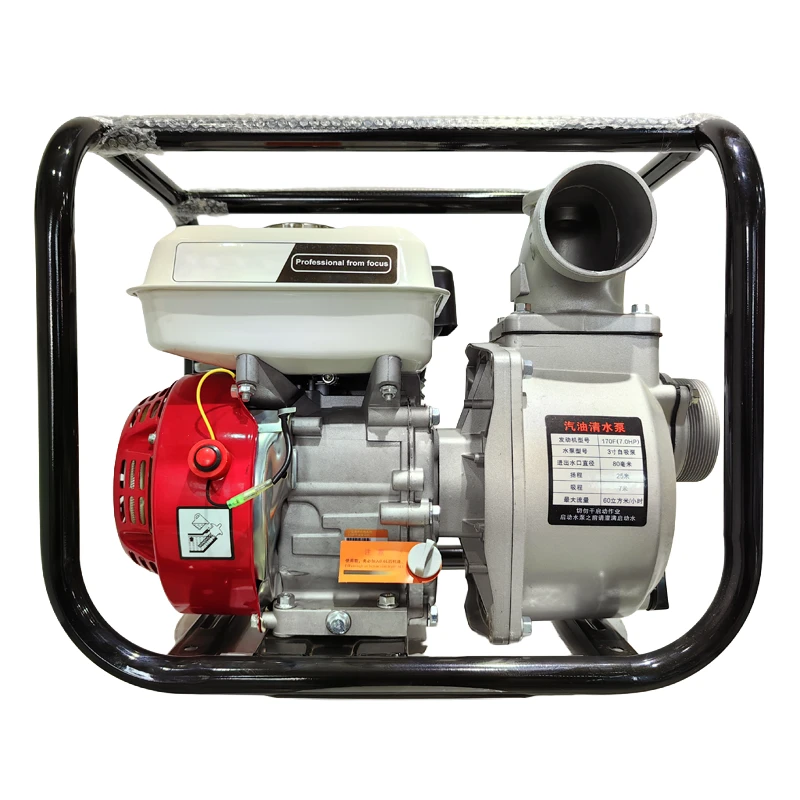
As mechanical power was gradually introduced to agricultural irrigation, early mechanical pumps-such as piston pumps and simple centrifugal pumps-emerged. Powered by steam engines or internal combustion engines, these devices significantly improved water-lifting efficiency, making the irrigation of large tracts of farmland feasible. With the widespread adoption of electricity in the 20th century, electric pumps became the mainstream choice, and designs evolved from complex mechanical configurations toward highly efficient centrifugal pumps.
Agricultural water pumps have undergone continuous upgrades in materials, structural design, and automation. The use of corrosion-resistant materials has extended equipment lifespan, while energy-efficient motors have enhanced operational efficiency; additionally, diverse pump types-such as self-priming and submersible pumps-have been developed to meet the needs of various irrigation environments. In recent years, the rise of smart agriculture has led to the integration of water pumps with intelligent control systems, enabling remote operation and precision irrigation, thereby making agricultural water usage more efficient and scientifically managed.