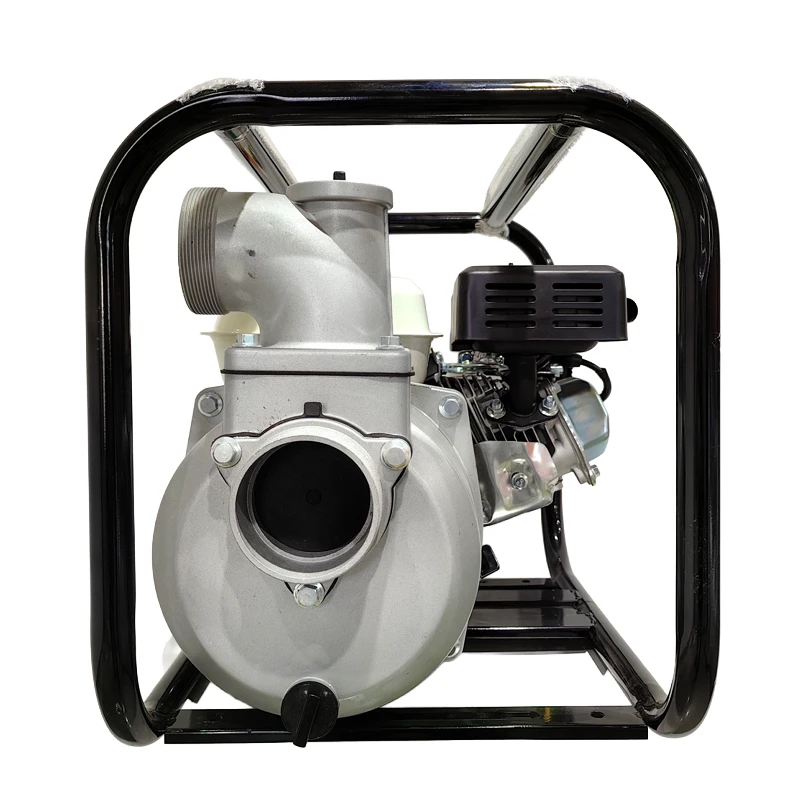
Agricultural water pumps are widely used in the cultivation of field crops such as rice, wheat, and corn, where large-scale planting areas often require a reliable irrigation water source. By drawing water from rivers, reservoirs, or wells and delivering it to field ditches or sprinkler systems, pumps ensure that crops receive adequate moisture throughout their various growth stages, thereby stabilizing yields.
Water pumps also play a crucial role in the cultivation of orchards and cash crops. Fruit trees, tea plantations, and vegetable farms often require precise water management, necessitating the use of drip irrigation or micro-sprinkler systems. Pumps provide consistent water pressure, ensuring water is evenly delivered to the root zones of individual plants; this minimizes waste and helps improve crop quality.
Agricultural water pumps are essential components of irrigation systems. Given the strict requirements for humidity and water supply control in these environments, pumps are frequently integrated with automated control systems to enable scheduled, metered water delivery, ensuring crops thrive even in enclosed growing environments.
Pumps also serve an indispensable function in field drainage and emergency water supply. During heavy rainfall or flooding, they can rapidly remove accumulated water from fields, mitigating crop damage; conversely, during droughts, they can transport water from distant sources to meet irrigation needs, ensuring the continuity of agricultural production.